

Planning a Family? What to Check in Your Health Insurance Before Pregnancy
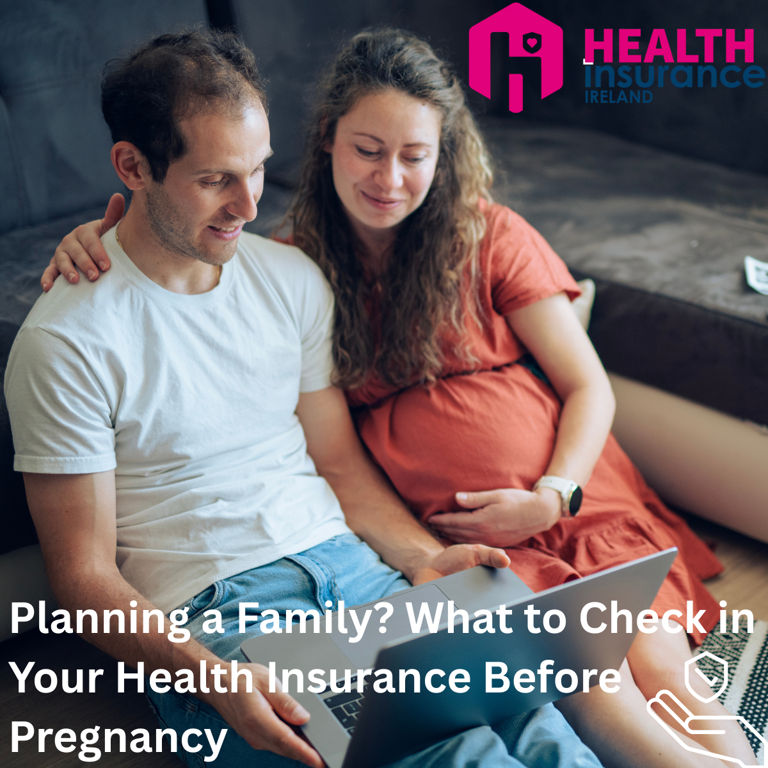
Planning to start or grow your family is an exciting time, but it can also be a good opportunity to take a closer look at your health insurance.
Many people only investigate their maternity cover once they are already expecting a baby. By then, however, it may be too late to make certain changes to your policy and receive the increased benefits for that pregnancy.
If having a baby could be on the horizon, reviewing your health insurance in advance can help you understand what you are covered for, where you can receive treatment and what costs you may need to meet yourself.
Start by checking your maternity cover
Not all health insurance policies provide the same maternity benefits.
The level of cover available can vary depending on your insurer and plan, so don't assume that because you have private health insurance you automatically have the level of maternity cover you want.
Before pregnancy, check the maternity section of your policy carefully.
Look at the benefits available for hospital maternity care and whether there are differences depending on the hospital or type of accommodation you choose.
The aim is to understand what your existing policy actually provides before deciding whether any changes are necessary.
Where would you like to have your baby?
Your preferred hospital can be an important consideration when reviewing your maternity cover.
If you have a particular maternity hospital or type of care in mind, check how your health insurance applies to it.
Don't simply rely on the name or overall description of your plan. Check the specific maternity benefits and hospital cover.
Understanding this before pregnancy gives you more time to consider your options rather than trying to work everything out when you are already expecting.
Understand the difference between public and private maternity care
One of the key decisions expectant parents may consider is whether they want to receive maternity care as a public, semi-private or private patient, where those options are available.
Private health insurance can contribute towards certain maternity-related costs, but the amount covered will depend on your policy and the care you choose.
It is therefore important to understand both sides of the equation: What will your insurer pay, and what could you potentially have to pay yourself?
If private or semi-private maternity care is important to you, check the relevant benefits rather than assuming your policy will cover the full cost.
Check your outpatient maternity benefits too
Hospital cover isn't the only area worth reviewing.
Depending on your policy, maternity-related benefits may extend to certain outpatient expenses or services associated with pregnancy.
Check your policy documentation for the maternity and outpatient benefits available to you and pay attention to any limits, conditions or requirements attached to them.
Small differences between policies can become more significant when several healthcare expenses arise over the course of a pregnancy.
Thinking about upgrading? Don't leave it too late
This is one of the most important points to understand when planning for pregnancy.
If you upgrade your health insurance to obtain better maternity benefits, you may have to serve a waiting period before those additional benefits become available.
The maximum waiting period for higher maternity benefits is currently 52 weeks.
During an upgrade waiting period, you may only be entitled to the maternity benefits available under your previous level of cover.
That means upgrading your policy after becoming pregnant may not give you access to the increased maternity benefits for that pregnancy.
If maternity cover is likely to become important to you, reviewing your policy well in advance can therefore make a significant difference.
What if you're taking out health insurance for the first time?
Waiting periods can also apply if you are new to private health insurance.
For new customers, a maximum waiting period of 52 weeks can apply to maternity-related claims.
This is another reason why it can make sense to investigate health insurance before you actually need maternity benefits.
There are exceptions to waiting-period rules in certain circumstances, so you should always check the specific position that applies to you with your insurer.
Don't assume the most expensive policy is automatically the best choice
Preparing for pregnancy does not necessarily mean moving to the most expensive health insurance policy available.
A more expensive plan may contain benefits that aren't particularly important to you, while another plan could provide the maternity and hospital benefits you value at a more appropriate price.
Look at the policy as a whole.
Consider hospital access, maternity benefits, outpatient cover and the other healthcare benefits that will remain relevant to you after your baby arrives.
The objective should be to find the right balance between cover, access, choice and cost.
Consider both partners' policies separately
If you and your partner both have health insurance, don't assume you need identical policies.
Your healthcare requirements may be different.
The person who will require maternity care may place greater importance on particular maternity and hospital benefits, while their partner may have completely different priorities.
Reviewing each person's cover individually can help ensure you aren't paying for unnecessary benefits simply because you have always been on similar plans.
What happens to your baby's health insurance?
Your own maternity cover and your baby's health insurance are separate issues.
After your baby is born, you can consider adding them to private health insurance.
One particularly important rule is that a child added to a health insurance policy within 13 weeks of birth does not have to serve the normal new-customer waiting periods.
With everything happening following the arrival of a new baby, health insurance administration may understandably not be at the top of your list.
It is nevertheless worth knowing about the 13-week timeframe in advance.
Pregnancy is also a good time to think about your family's future cover
Having a baby can change what you value from health insurance.
Before starting a family, you may have concentrated primarily on your own hospital cover and keeping your premium down.
Once you have children, your priorities can change.
You may start placing greater importance on areas such as hospital access, outpatient benefits and the overall level of protection available to your family.
That doesn't mean you need to buy the highest level of cover available. It means your health insurance should evolve as your circumstances change.
Review before you need the benefits
The central message is simple: If you are planning a family, don't wait until pregnancy to check your health insurance.
Find out:
- What maternity benefits you currently have
- What hospitals and types of maternity care are covered
- What outpatient maternity benefits are available
- Whether you are likely to face additional costs
- Whether changing or upgrading your plan would improve your cover
- What waiting periods would apply to any increased benefits
- How you will arrange health insurance for your baby after birth
Reviewing these areas early gives you more options and helps you make decisions without the pressure of an approaching due date.
Planning a Family? Review Your Health Insurance Early
Health insurance policies can be difficult to compare, particularly when you are trying to understand maternity benefits, hospital cover and waiting periods at the same time.
Health Insurance Ireland can help you review your existing policy, understand the maternity cover available and compare your options before you need to use those benefits.
If starting or growing your family is part of your plans, get in touch with Health Insurance Ireland to review your health insurance early and make sure your cover is ready for the next stage of your life.
Enquiry Form: Click Here
Email: info@healthinsuranceireland.ie


